On a modern cruising yacht, the generator is the small engine that makes the floating life feel civilized. It keeps batteries charged, chills the refrigerator, powers air-conditioning, heats water and, in many cases, lets an owner run a galley much like a kitchen ashore. Yet it is also one of the most misunderstood machines aboard. Too large, and it loafs itself into trouble. Too small, and it labors noisily at the worst possible hour.
The central question is not simply “How many kilowatts?” It is “What loads will you actually use, and for how long?” That distinction matters, because a yacht generator is happiest when working at a meaningful load, often roughly 50 to 80 percent of its rated capacity. A diesel generator run for long periods at very light load can suffer carbon buildup, glazing in the cylinder walls and poor combustion — the marine version of an athlete asked only to stroll.
What Size Generator Does a Yacht Need?
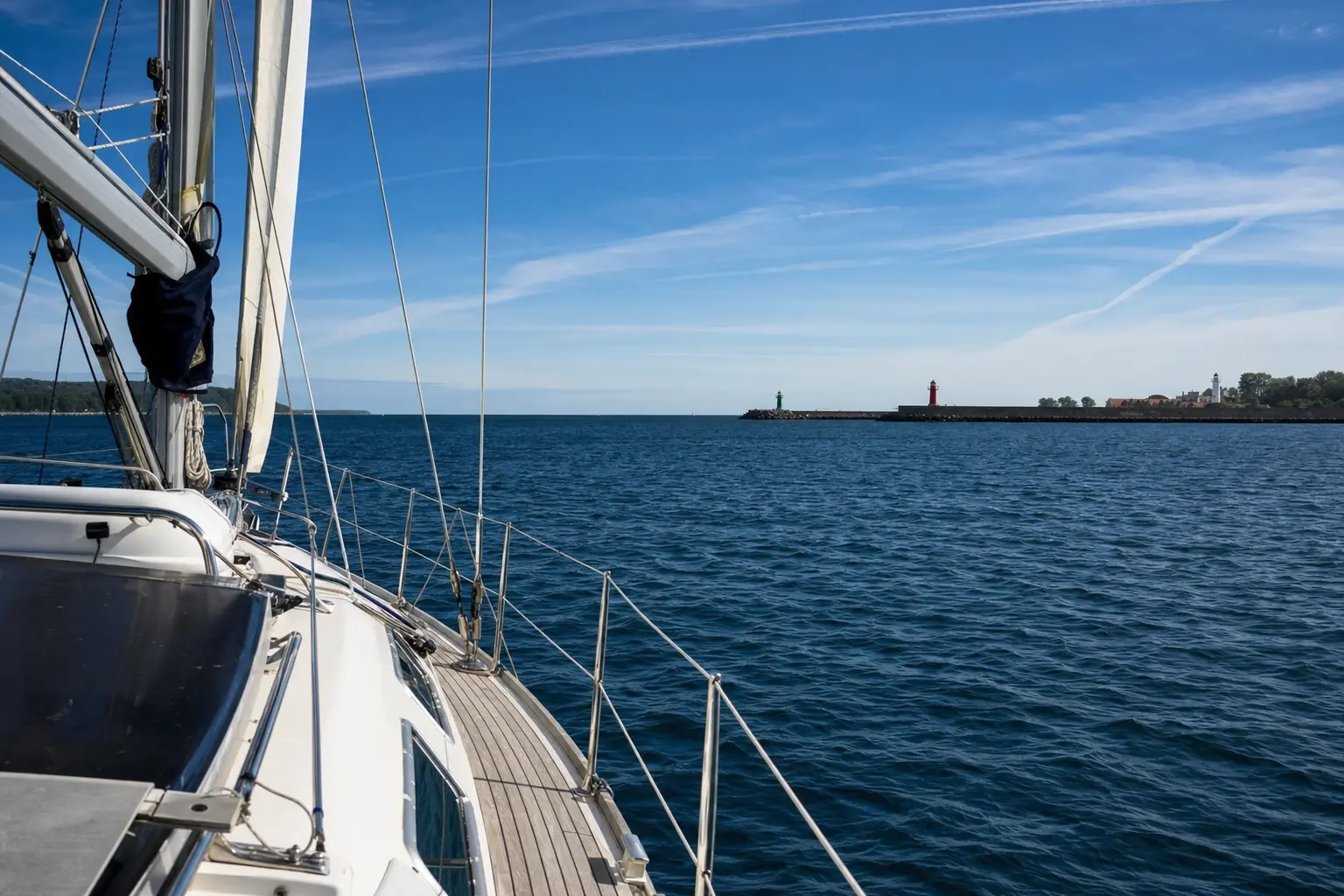
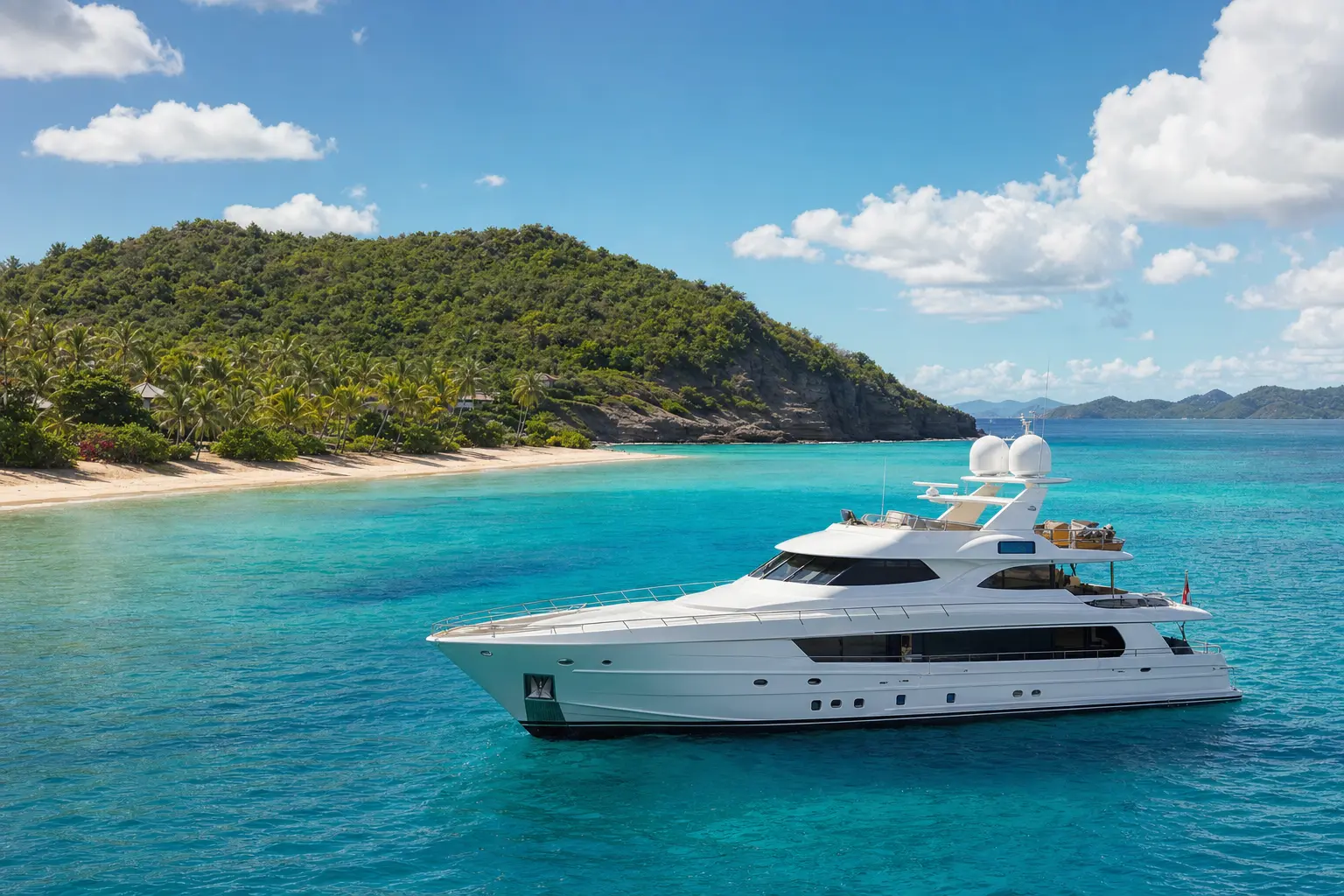
For many sailing yachts in the 35- to 45-foot range, a generator of about 3.5 to 6 kilowatts is common, depending on equipment. Larger cruising yachts, especially those with air-conditioning, electric cooking, watermakers or powerful battery chargers, often carry 7 to 12 kilowatts or more. Motor yachts can go far higher, because hotel loads rise quickly with volume, cabins and climate control.
The right calculation begins with a load list. Add the running wattage of essentials: battery charger, refrigeration, freezer, water heater, outlets, navigation electronics and pumps. Then consider heavy loads, particularly air-conditioning compressors, watermakers, induction cooktops and dive compressors. Motors often need a surge of power at startup, so a generator that looks adequate on paper may stumble when two compressors start together.
“The best generator is not the biggest one that fits. It is the smallest one that can reliably carry the real load.”
There is also a quiet revolution underway. Lithium batteries, high-output alternators, solar panels and inverters have changed generator sizing. A yacht that once needed to run a generator for every cup of coffee may now use stored battery power for short bursts and run the generator only to recharge efficiently. In that setup, the generator is sized less for peak convenience and more for charging strategy.
How Owners Actually Use Them
At anchor, many cruisers run the generator once or twice a day, often in the morning and early evening. The morning run may support a battery charger, watermaker and galley appliances. The evening run may cool cabins before sleep and top up batteries for the night. In hot climates, however, air-conditioning can turn a generator from an occasional servant into a near-constant companion.
Good etiquette matters. In crowded anchorages, a loud generator at midnight is remembered. Modern sound shields help, and waterlift mufflers reduce exhaust noise, but installation quality is decisive. Vibration mounts, exhaust routing and the location of the seawater discharge can make the difference between a low hum and a harbor-wide complaint.
Usage also affects longevity. Generators dislike neglect. They should be warmed up, loaded properly and cooled down briefly before shutdown. Running one for five minutes merely to heat a kettle is poor practice; it invites condensation and incomplete combustion. A longer, loaded run is usually healthier.
The Most Common Problems
The most frequent failures are often mundane. Raw-water cooling problems sit near the top of the list. A clogged sea strainer, failed impeller or blocked intake can cause overheating in minutes. The impeller, a small rubber rotor inside the seawater pump, is cheap compared with the damage caused when it fails. Many prudent owners carry spares and know how to replace it.
Fuel problems are another classic. Diesel generators draw from the same world of tanks, filters and microbial contamination as the main engine. Water in fuel, clogged filters and air leaks can stop a generator abruptly. Because generators often run at lower fuel consumption than propulsion engines, bad fuel can linger in tanks for a long time before announcing itself.
Electrical faults can be harder to diagnose. Loose connections, failing capacitors, worn brushes on some models, bad sensors or corroded terminals can produce erratic voltage, shutdowns or no output. Marine environments are harsh: salt air is patient, and it wins slowly.
Then there is the exhaust system. A failed anti-siphon valve can allow seawater to backflow toward the engine. A blocked mixing elbow can create overheating and poor performance. These are not glamorous parts, but they are vital. The generator may be tucked under a berth or cockpit locker, yet it still needs the same inspection discipline as the main engine.
Maintenance That Pays for Itself
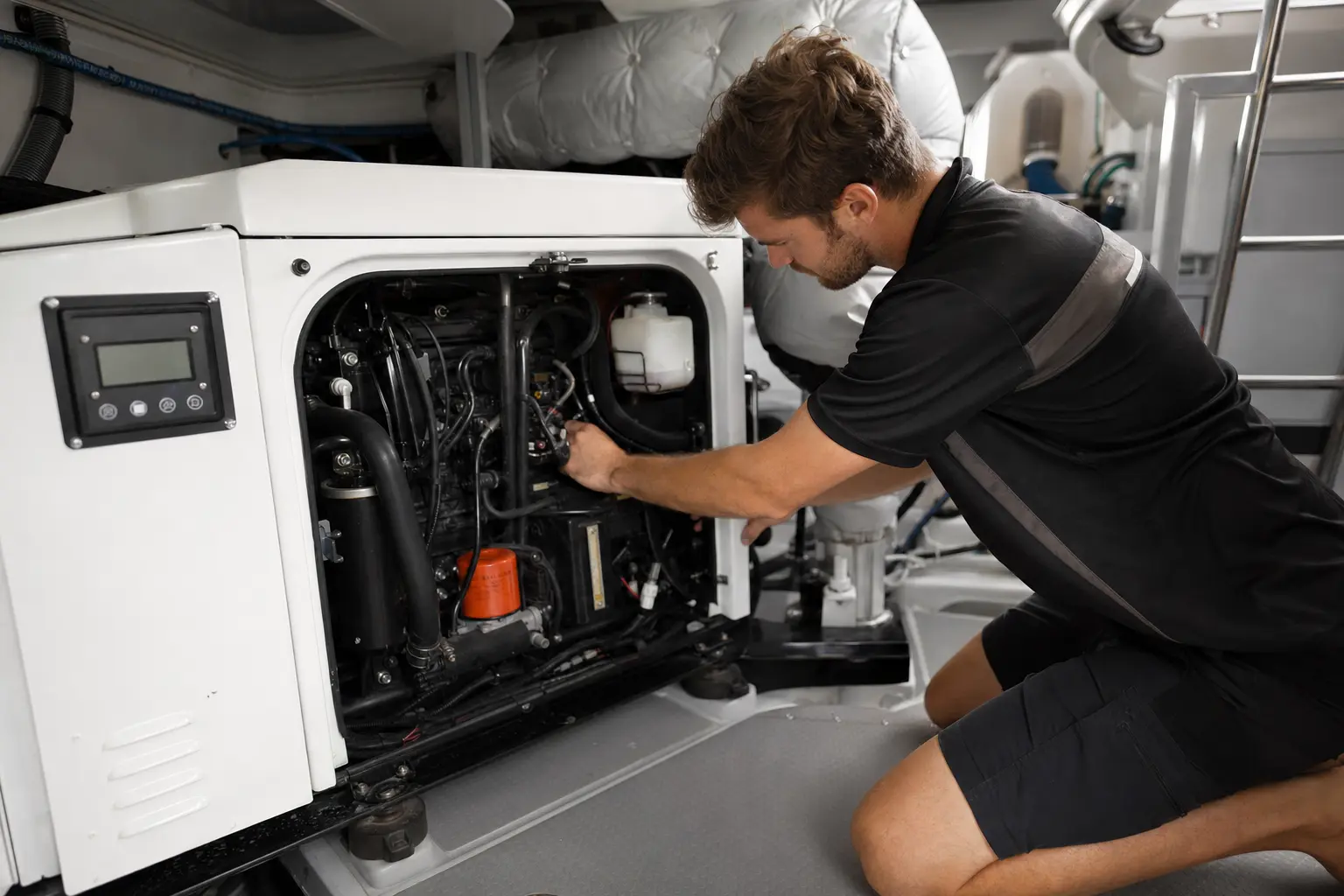
Routine service is straightforward: oil and filter changes at manufacturer intervals, fuel filter replacement, coolant checks, belt inspection, zinc replacement where fitted, impeller inspection and periodic load testing. Owners should read the manual, not because manuals are thrilling literature, but because intervals vary by model and installation.
A useful habit is to keep a generator log. Record hours, oil changes, filter changes, impeller replacements and odd symptoms. The log can reveal patterns: a belt that dusts too quickly, a temperature that creeps upward, a battery charger that seems to overload the set. For buyers of used yachts, a clear service log is worth real money.
Diesel, Gasoline or New Alternatives?
Most cruising-yacht generators are diesel, particularly on boats with diesel main engines. Sharing one fuel simplifies storage and reduces gasoline vapor risks. Small gasoline portable generators exist, but they are generally a poor fit for enclosed marine use because of carbon monoxide and fuel-vapor hazards. They should never be run inside a cabin, cockpit enclosure or poorly ventilated space.
Hybrid systems are changing the conversation. Some yachts now rely on large battery banks, solar arrays and alternator charging, using a compact diesel generator as backup. Fully electric yachts may use a range-extender generator. The goal is not always to eliminate the generator, but to make it run fewer hours, at better load, with less noise.
The Sensible Bottom Line
A generator on a yacht is neither luxury nor nuisance by default. It is a tool, and like most tools aboard, it rewards owners who understand its limits. Size it from a real load calculation. Install it carefully. Run it under proper load. Maintain the cooling, fuel and exhaust systems before they become emergencies.
The irony is that the best generator is the one guests barely notice. It starts cleanly, carries the load, charges the batteries and shuts down before it becomes the soundtrack of the anchorage. On a yacht, that kind of quiet competence is not accidental. It is designed, maintained and earned.